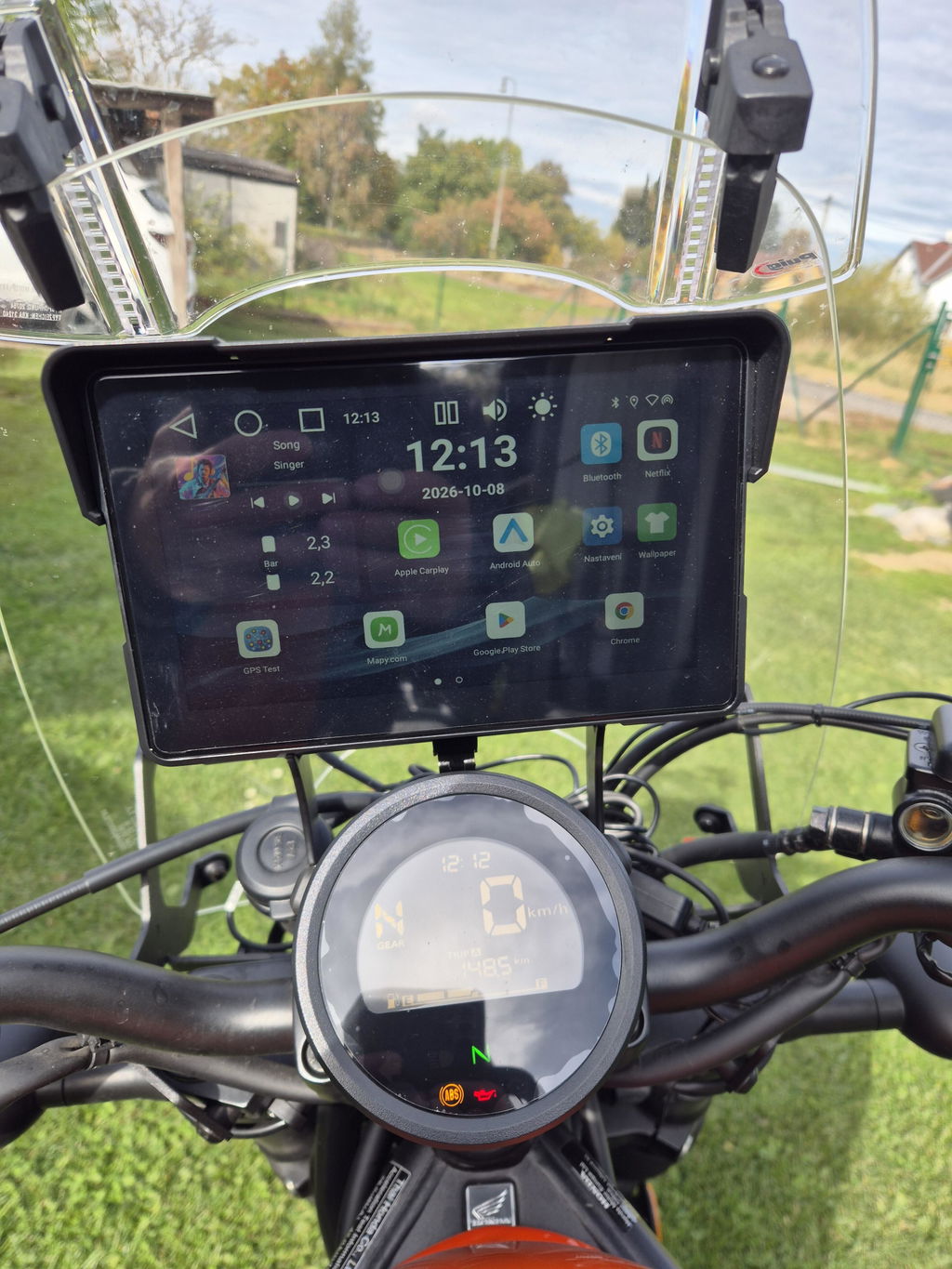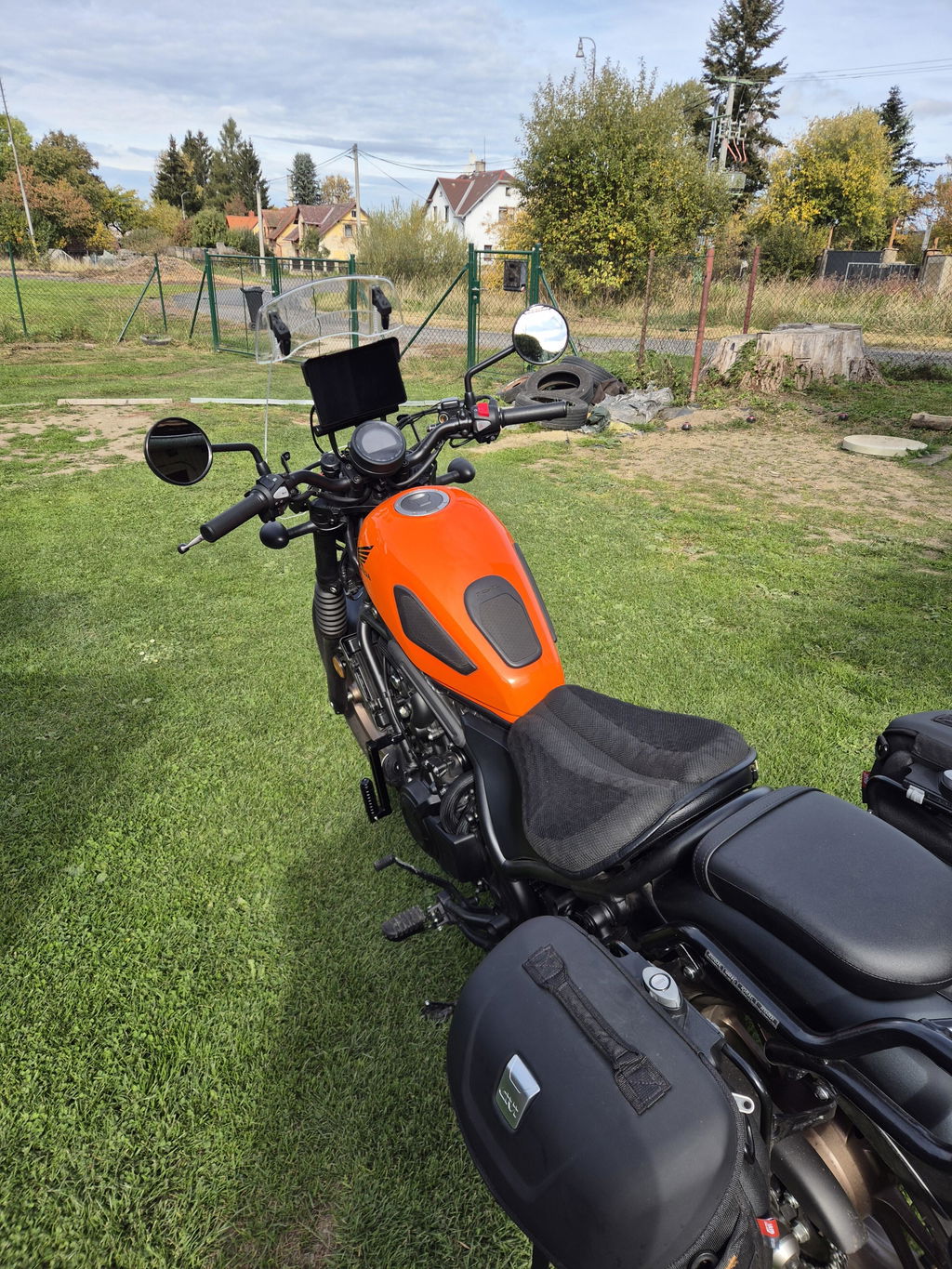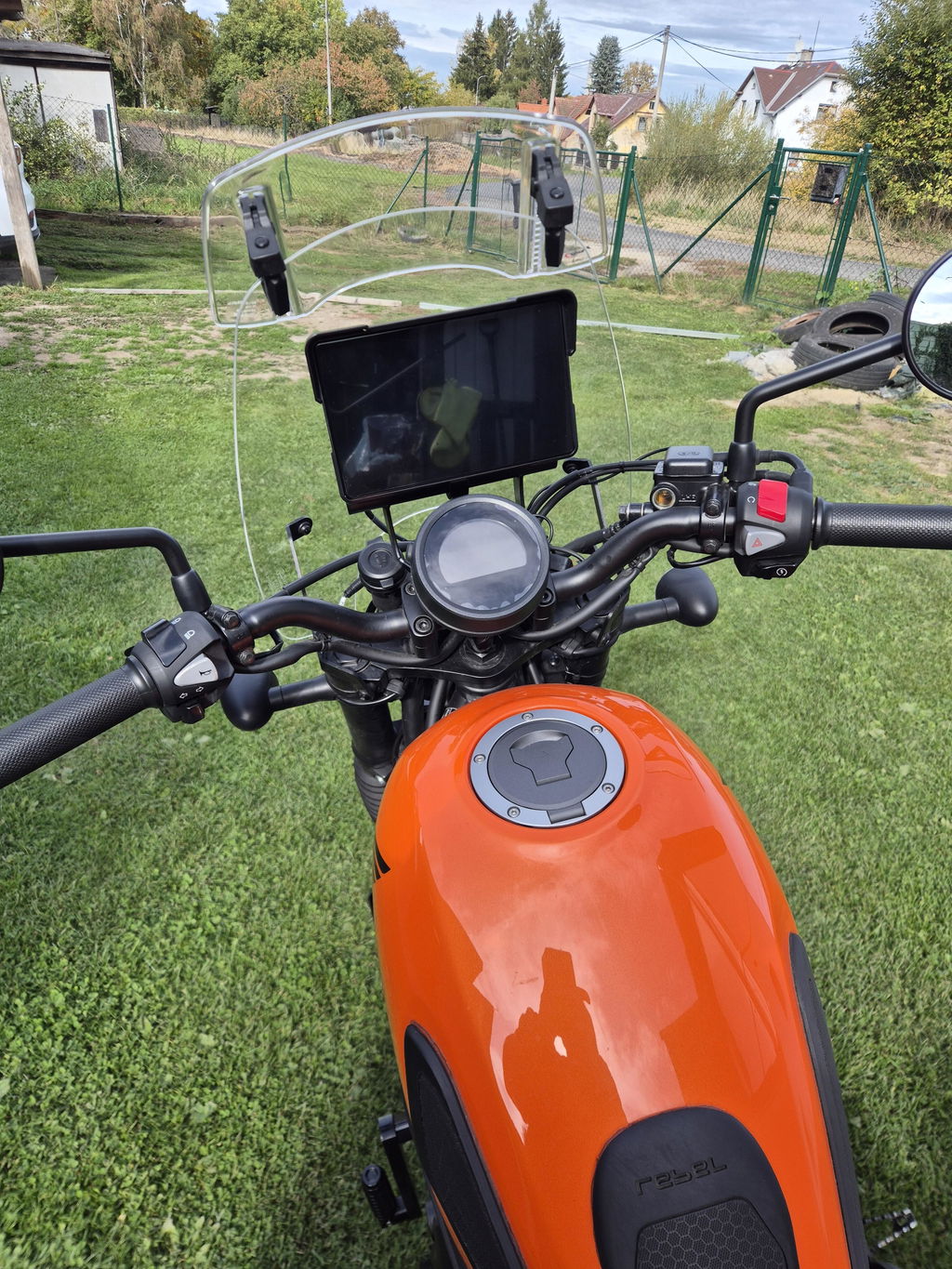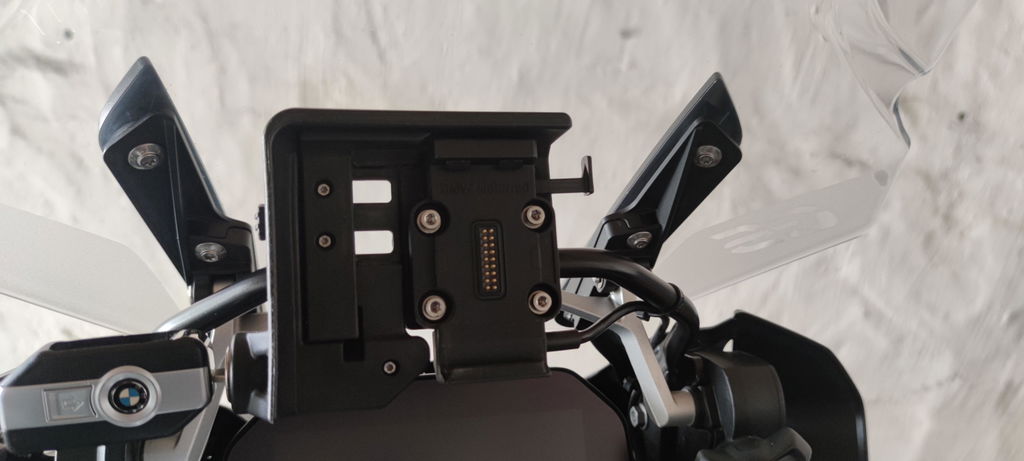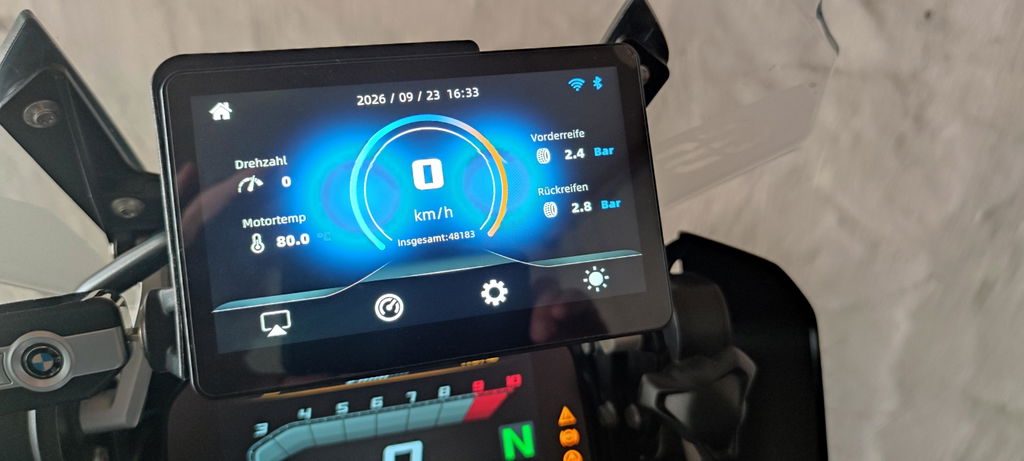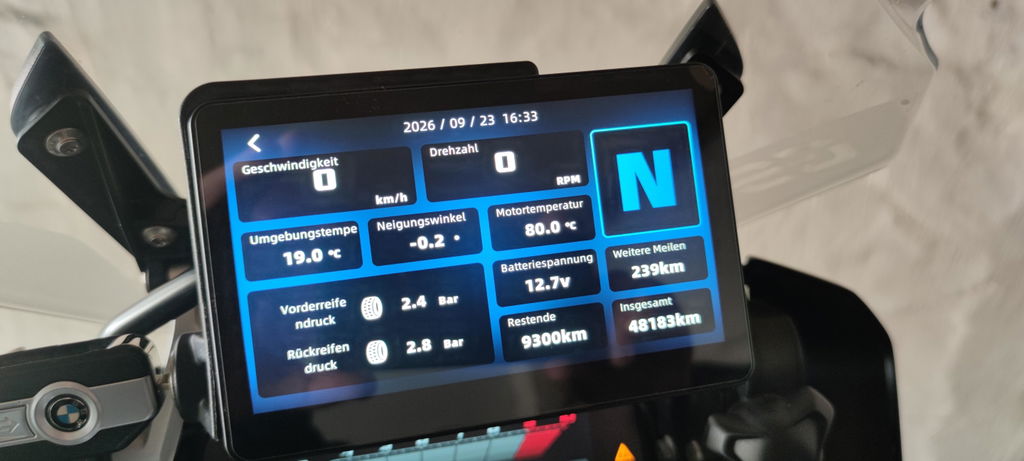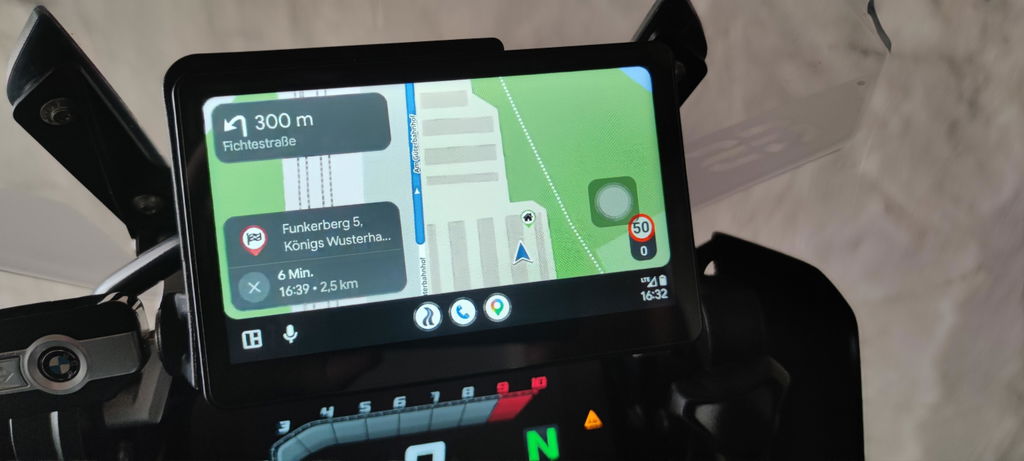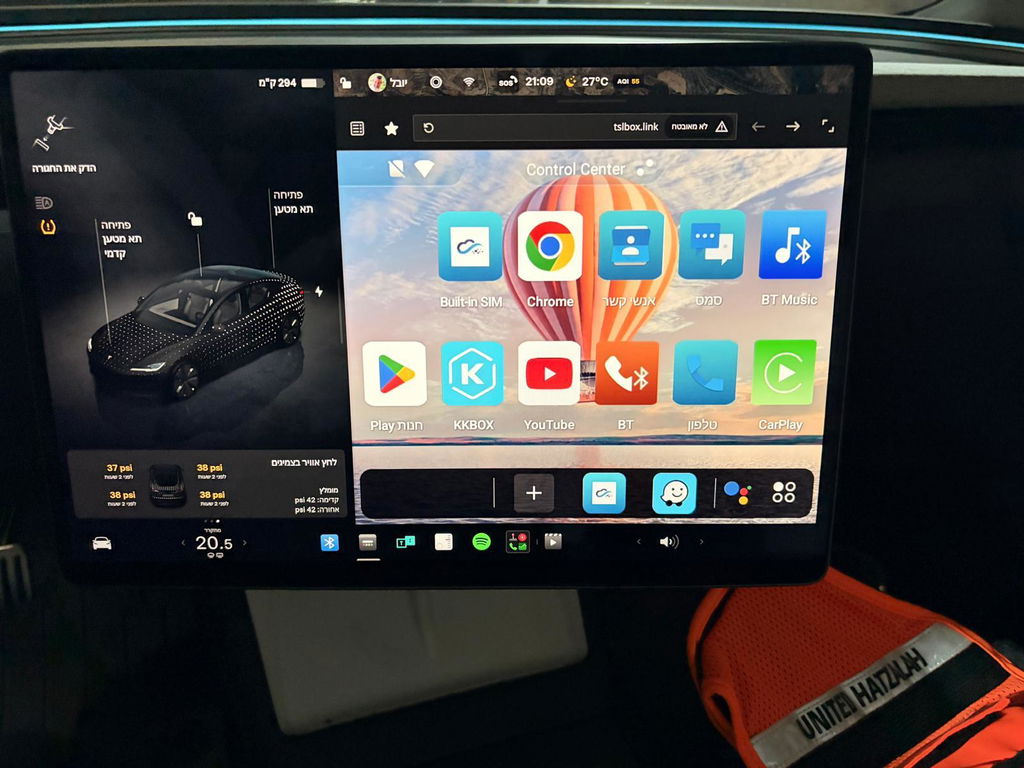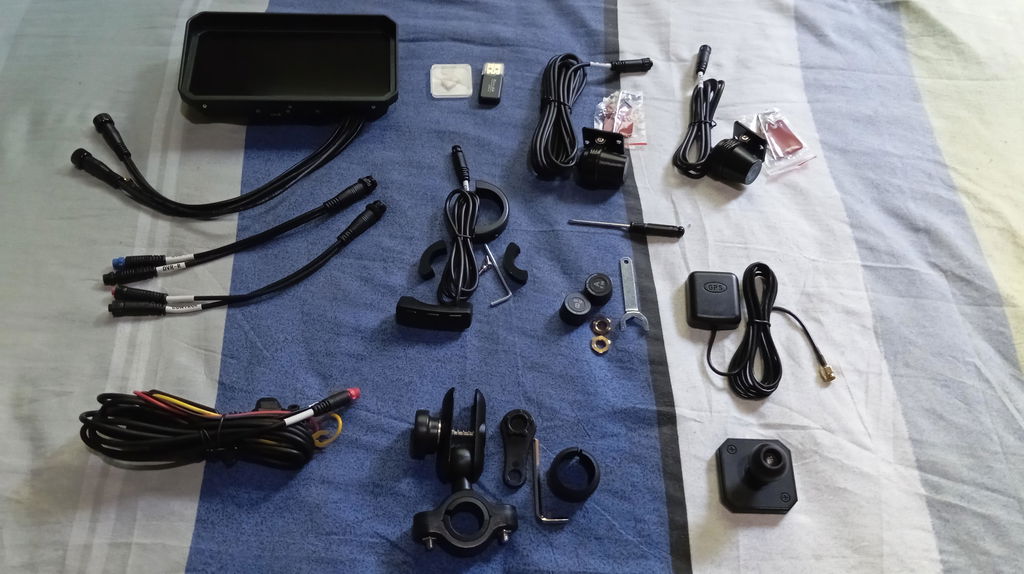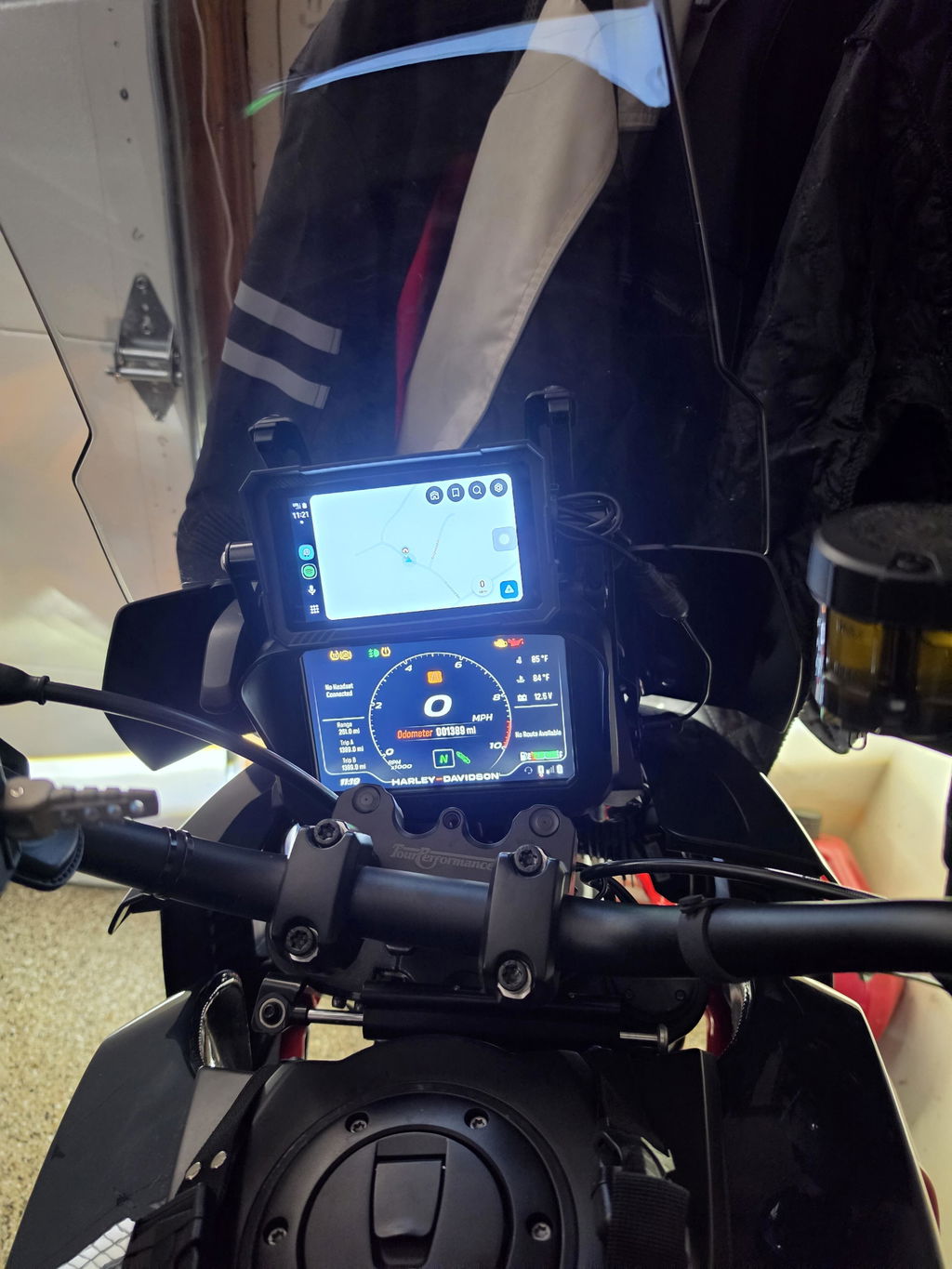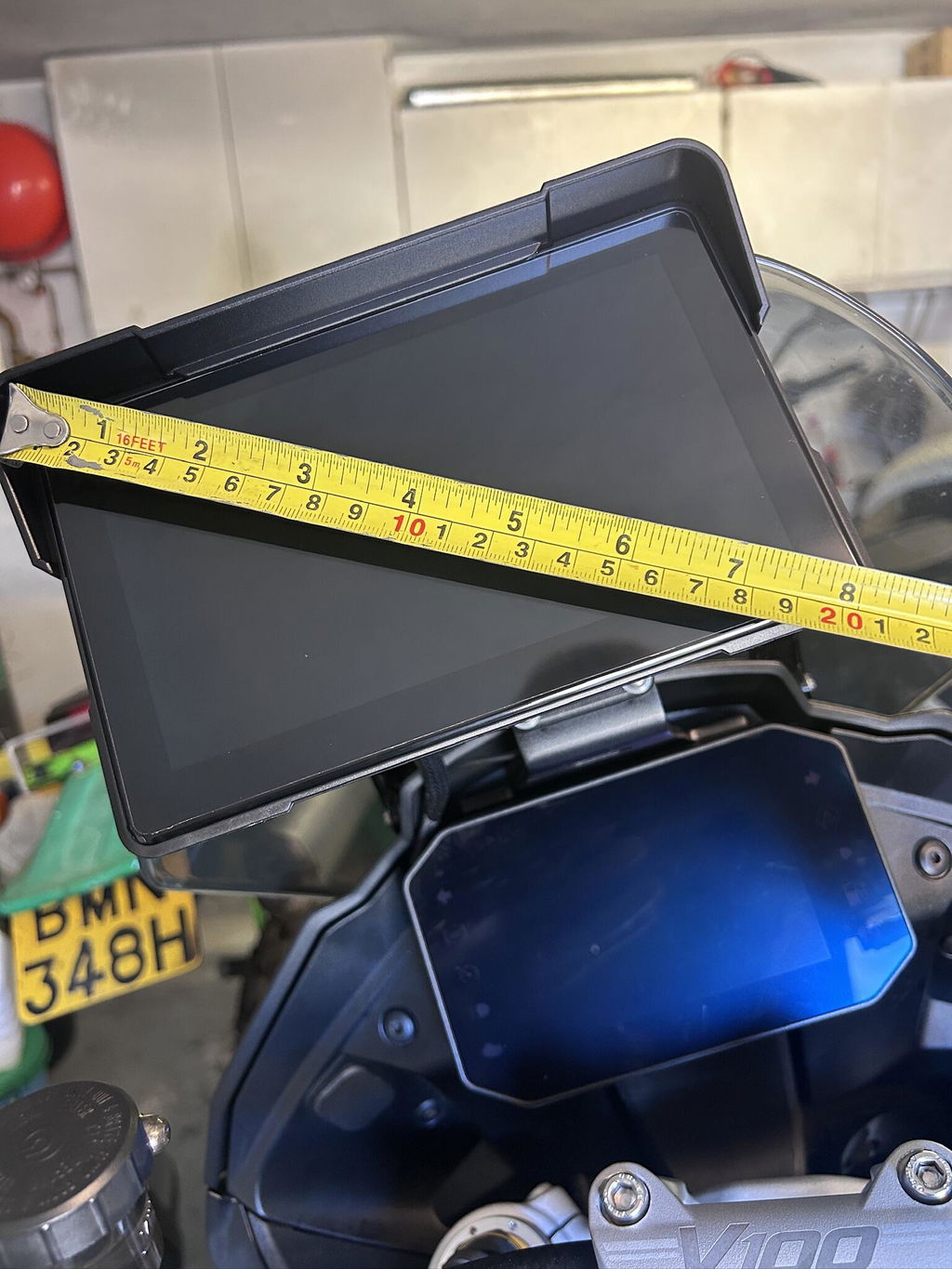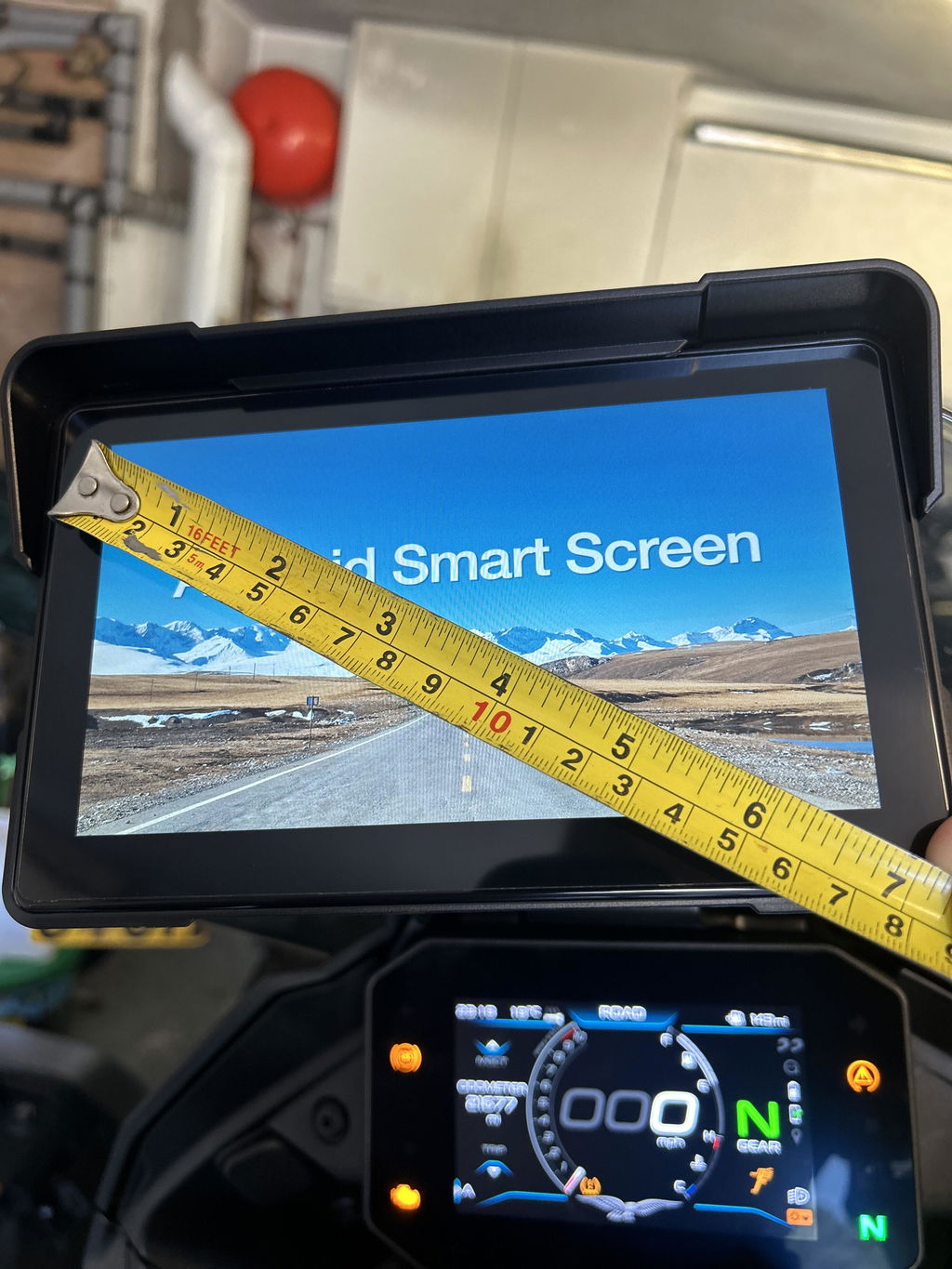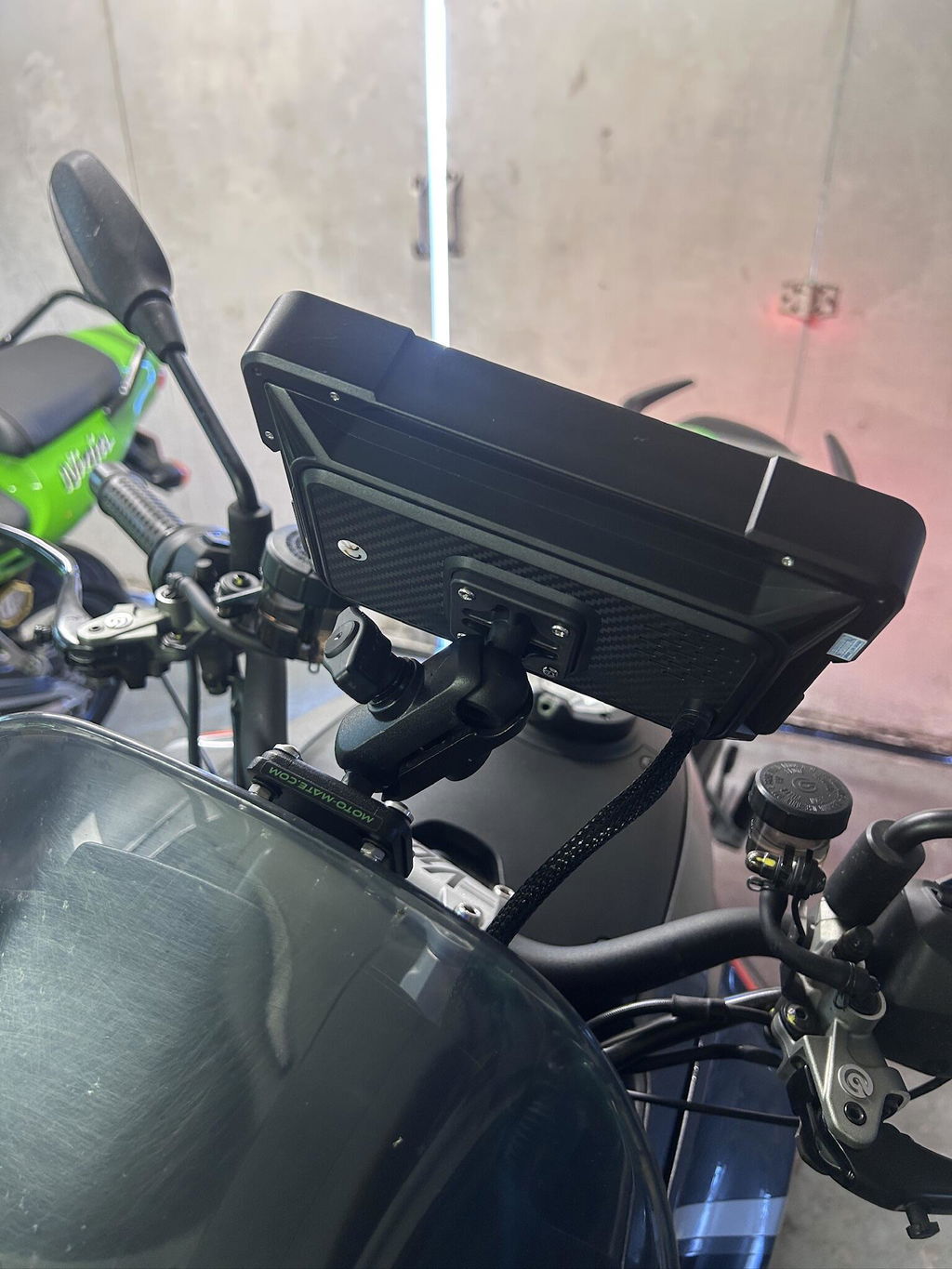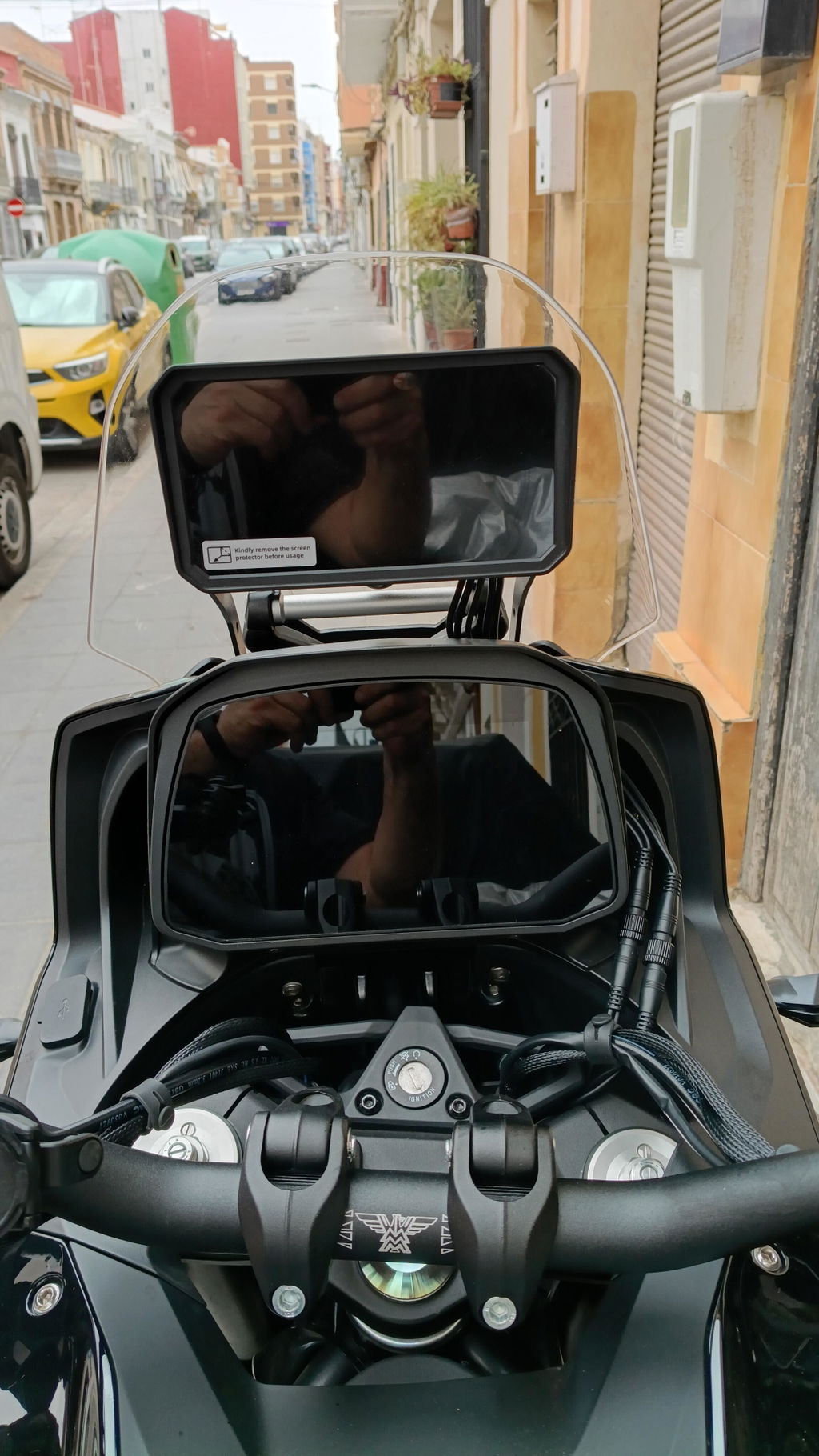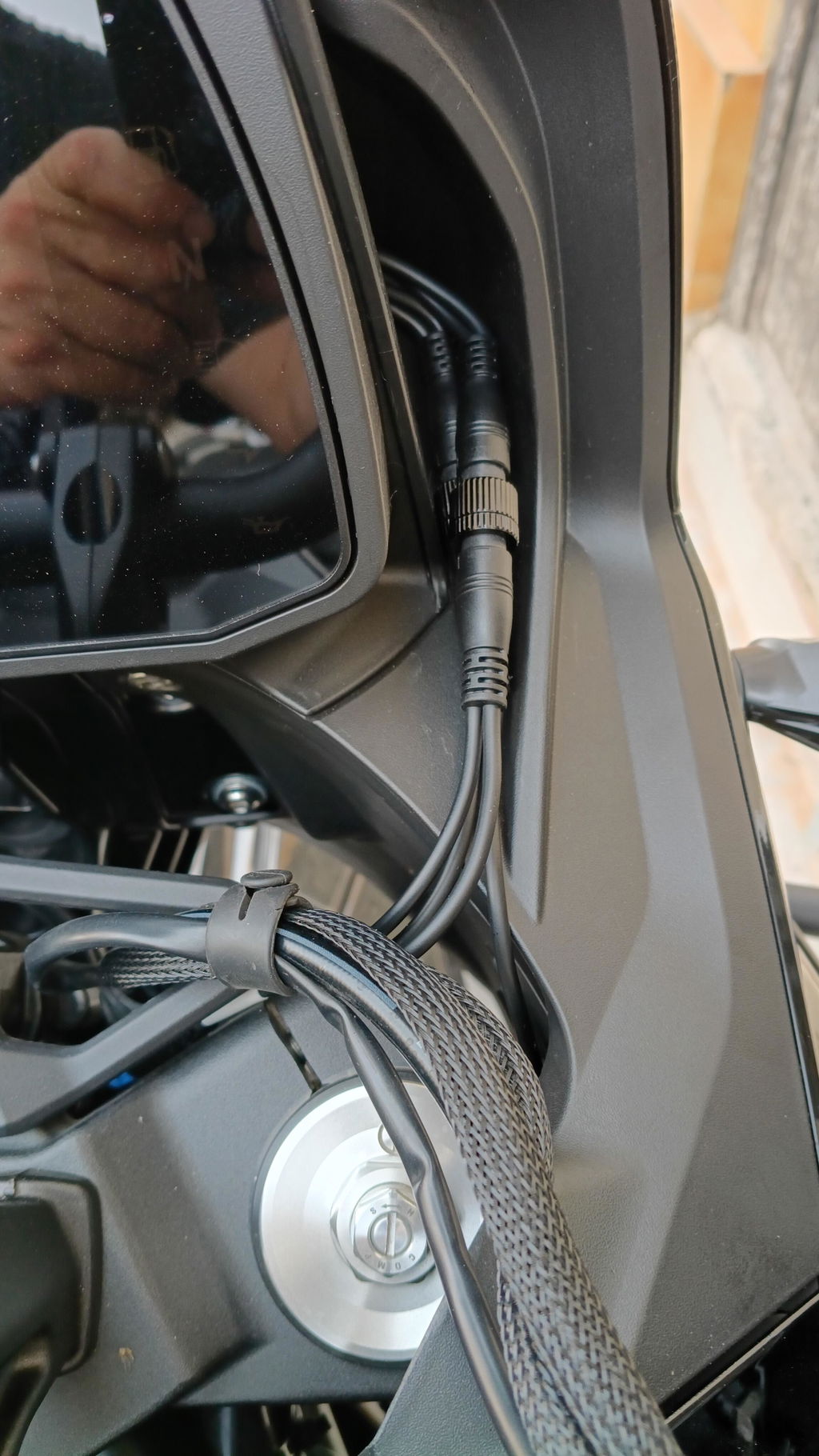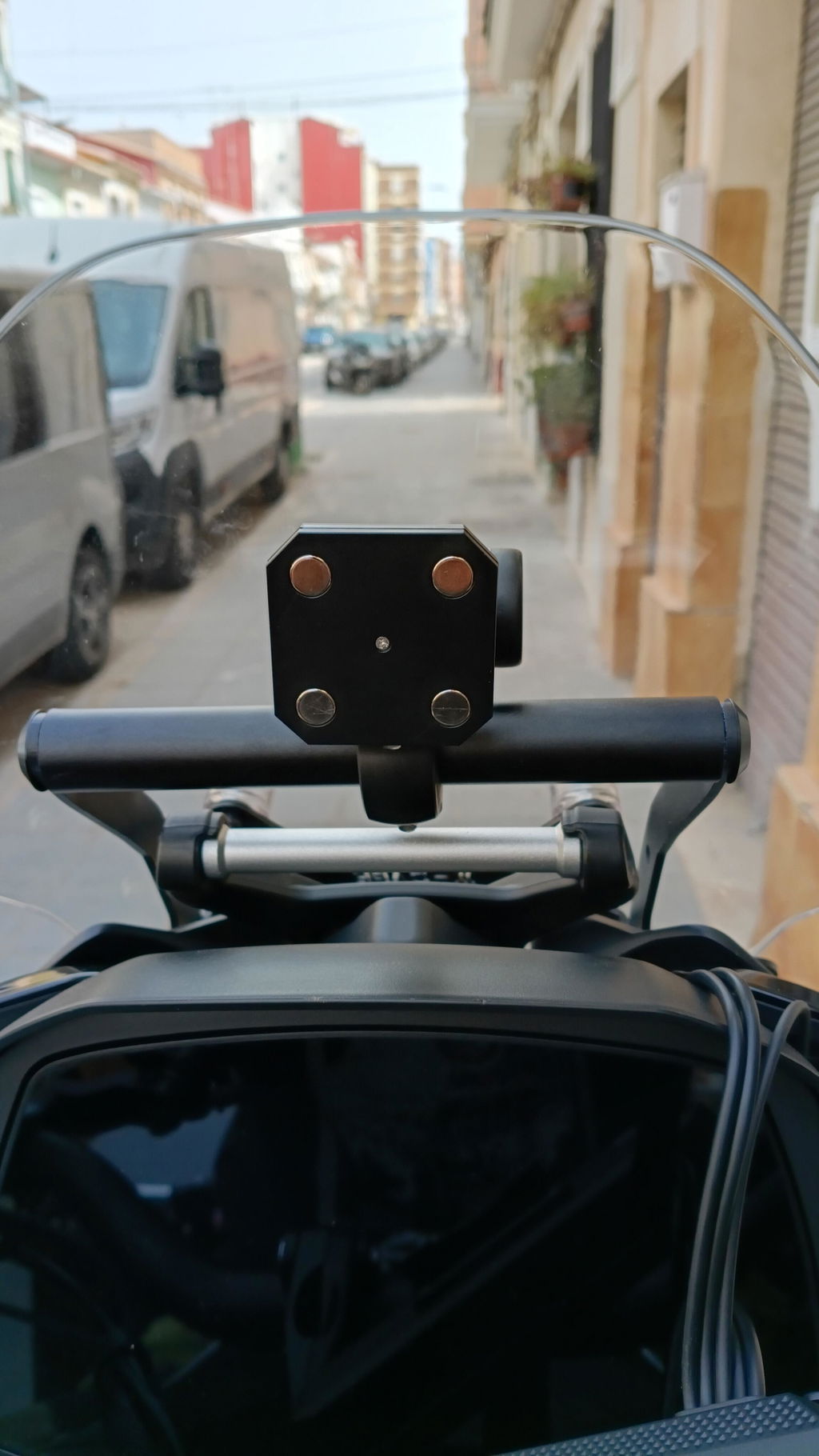

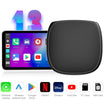
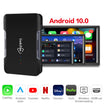
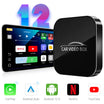
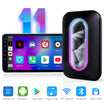
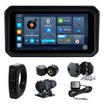
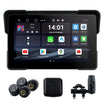
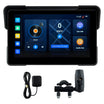
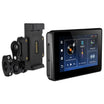
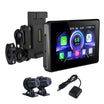
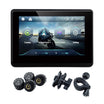
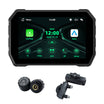
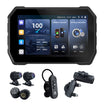
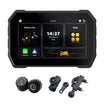
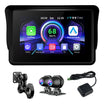
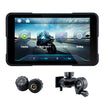
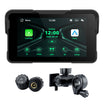
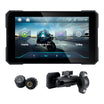
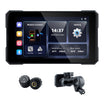
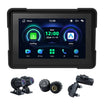
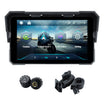
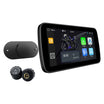
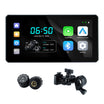
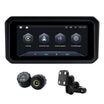
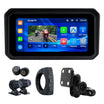
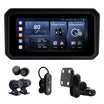
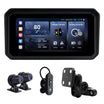
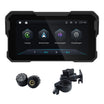
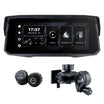
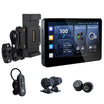
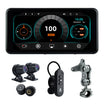
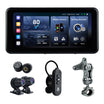
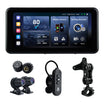
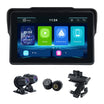
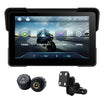
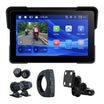
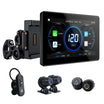
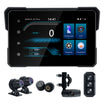
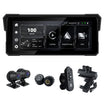
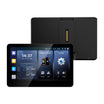
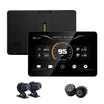
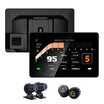
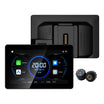

عند اختيار شاشة للدراجة النارية، يركز كثير من قائدي الدراجات على حجم الشاشة، وتصنيف مقاومة الماء، وCarPlay اللاسلكي، وAndroid Auto، ومسجل الفيديو الرقمي DVR، ونظام GPS، أو نظام مراقبة ضغط الإطارات TPMS. ومع ذلك، يُعد إعداد البلوتوث أيضًا جزءًا مهمًا من تجربة القيادة الفعلية.
تستخدم بعض شاشات الدراجات النارية بلوتوثًا واحدًا، بينما تستخدم شاشات أخرى بلوتوثًا مزدوجًا. قد يبدو البلوتوث المزدوج للوهلة الأولى أكثر تطورًا، لكن في الاستخدام الفعلي يمكن أن يكون البلوتوث الواحد عمليًا ومستقرًا وأسهل في الفهم أيضًا.
تستخدم معظم منتجات شاشات الدراجات النارية من Linkifun منطق اتصال واحد عبر البلوتوث، وقد صُمم ذلك للحفاظ على بساطة الإعداد وموثوقيته لقائدي الدراجات في الاستخدام اليومي. سنوضح في هذه المقالة الفرق بين البلوتوث الواحد والبلوتوث المزدوج، وكيفية عمل كل منهما، ونوع قائد الدراجة الأنسب لكل إعداد.
ما المقصود بالبلوتوث الواحد في شاشة الدراجة النارية؟
تستخدم شاشة الدراجة النارية المزودة بـبلوتوث واحد البلوتوث عادةً للاتصال بين الهاتف والشاشة. وبعد اتصال الهاتف، يمكن لقائدي الدراجات استخدام CarPlay اللاسلكي أو Android Auto اللاسلكي على شاشة الدراجة النارية.
بالنسبة إلى الصوت، يكون الإعداد الشائع هو:
سماعة الخوذة ← الهاتف ← شاشة الدراجة النارية
وهذا يعني أن سماعة الخوذة التي تعمل بالبلوتوث تتصل مباشرةً بالهاتف، بينما يتصل الهاتف بشاشة الدراجة النارية لتشغيل CarPlay أو Android Auto لاسلكيًا.
في الاستخدام الفعلي، يُعد هذا إعدادًا شائعًا وعمليًا جدًا. فلا يزال بإمكان قائدي الدراجات سماع الإرشادات الصوتية للملاحة والموسيقى والمكالمات الهاتفية عبر سماعة الخوذة، لأن الهاتف يتولى معالجة الصوت.
لا يعني البلوتوث الواحد أن قائد الدراجة لا يمكنه استخدام سوى جهاز واحد. بل يعني ببساطة أن شاشة الدراجة النارية نفسها لا تدير عدة اتصالات صوتية عبر البلوتوث في الوقت نفسه مباشرةً. ويصبح الهاتف مركز الاتصال الرئيسي.
ما المقصود بالبلوتوث المزدوج في شاشة الدراجة النارية؟
تحتوي شاشة الدراجة النارية المزودة بـبلوتوث مزدوج عادةً على قناتي بلوتوث. تتصل إحدى القناتين بالهاتف والشاشة، بينما يمكن للقناة الأخرى توصيل الشاشة مباشرةً بسماعة خوذة أو جهاز اتصال داخلي يعملان بالبلوتوث.
الإعداد المعتاد هو:
الهاتف ← شاشة الدراجة النارية
سماعة الخوذة ← شاشة الدراجة النارية
في هذا الإعداد، يتصل كل من الهاتف وسماعة الخوذة مباشرةً بشاشة الدراجة النارية. وقد يجعل ذلك مسار الصوت أكثر تكاملًا، لا سيما لقائدي الدراجات الذين يريدون أن تعمل الشاشة كجهاز تحكم مركزي لكل من اتصال الهاتف وصوت الخوذة.
قد يكون البلوتوث المزدوج مفيدًا لبعض قائدي الدراجات، لكنه يضيف أيضًا مزيدًا من طبقات الاتصال. إذ تحتاج أجهزة أكثر إلى الاقتران بالشاشة، ما قد يجعل الإعداد أكثر تعقيدًا قليلًا.
بلوتوث واحد مقابل بلوتوث مزدوج: الفرق الأساسي
يتمثل أكبر اختلاف في مكان اتصال سماعة الخوذة.
مع البلوتوث الأحادي، تتصل سماعة الخوذة عادةً بالهاتف. ويتصل الهاتف بشاشة الدراجة النارية.
مع البلوتوث المزدوج، يمكن لكل من الهاتف وسماعة الخوذة الاتصال مباشرةً بشاشة الدراجة النارية.
| الميزة | البلوتوث الأحادي | البلوتوث المزدوج |
|---|---|---|
| اتصال الهاتف | يتصل الهاتف بالشاشة | يتصل الهاتف بالشاشة |
| اتصال سماعة الخوذة | تتصل الخوذة عادةً بالهاتف | يمكن للخوذة الاتصال بالشاشة مباشرةً |
| صعوبة الإعداد | أبسط | أكثر تعقيدًا |
| التحكم في الصوت | يتولى الهاتف المعالجة بشكل أساسي | تتولى الشاشة جزءًا أكبر من المعالجة |
| الاستقرار | أسهل في الحفاظ على استقراره | يعتمد على توافق الأجهزة |
| الأفضل لـ | معظم السائقين في الاستخدام اليومي | السائقون الذين يريدون التحكم في الصوت من خلال الشاشة |
لماذا يظل البلوتوث الأحادي خيارًا جيدًا
رغم أن البلوتوث المزدوج قد يبدو أكثر تقدمًا، فإن البلوتوث الأحادي يتمتع بعدة مزايا عملية، خاصةً للسائقين الذين يريدون إعدادًا بسيطًا ومستقرًا أثناء القيادة.
1. إعداد أسهل
يتميز البلوتوث الأحادي بمنطق اتصال أبسط. يتصل الهاتف بشاشة الدراجة النارية، وتتصل سماعة الخوذة بالهاتف.
معظم السائقين معتادون بالفعل على توصيل سماعة بلوتوث بالهاتف. وهذا يقلل صعوبة الإعداد ويجعل الاستخدام اليومي أسهل.
بالنسبة إلى كثير من المستخدمين، كلما كانت عملية الاتصال أبسط، قلّت المشكلات التي سيواجهونها.
2. تجربة صوتية أكثر ألفة
مع البلوتوث الأحادي، يتولى الهاتف إخراج الصوت. وهذا يشبه الطريقة التي يستخدم بها السائقون سماعة الخوذة مع الهاتف الذكي عادةً.
يمكن أن يستمر تشغيل صوت الملاحة والموسيقى والمكالمات الهاتفية وصوت التطبيقات عبر سماعة الخوذة، حسب إعدادات الهاتف والسماعة.
بالنسبة إلى السائقين الذين يستخدمون بالفعل سماعة خوذة تعمل بالبلوتوث أو نظام اتصال داخلي، يبدو هذا الإعداد طبيعيًا ولا يتطلب تغيير عادات القيادة المعتادة.
3. تعارضات أقل في البلوتوث
تحدث مشكلات اتصال البلوتوث غالبًا عندما تحاول عدة أجهزة الاتصال في الوقت نفسه. فعلى سبيل المثال، قد يتنافس الهاتف والشاشة وسماعة الخوذة ونظام الاتصال الداخلي جميعًا على أولوية الصوت.
يقلل البلوتوث الأحادي هذا التعقيد. وبما أن الخوذة تتصل بالهاتف مباشرةً، فلا تحتاج الشاشة إلى إدارة عدد كبير من مهام صوت البلوتوث.
يمكن أن يساعد ذلك في تقليل مشكلات مثل فشل الاقتران، أو عدم استقرار الصوت، أو تكرار إعادة الاتصال، أو تبديل مصدر الصوت بشكل غير متوقع.
4. خيار أفضل لمستخدمي CarPlay اللاسلكي وAndroid Auto
بالنسبة إلى السائقين الذين يستخدمون بشكل أساسي CarPlay اللاسلكي أو Android Auto اللاسلكي، يكون البلوتوث الأحادي كافيًا عادةً.
تعرض شاشة الدراجة النارية واجهة الملاحة وتطبيقات الموسيقى وواجهة الهاتف والمساعد الصوتي. وفي الوقت نفسه، يظل بإمكان الهاتف إرسال الصوت إلى سماعة الخوذة.
هذا إعداد عملي لاستخدام خرائط Google وخرائط Apple وWaze وSpotify والمكالمات الهاتفية والتحكم الصوتي أثناء القيادة.
5. تكلفة تعلّم أقل للعملاء
ليس كل راكب يرغب في قضاء الوقت لفهم توجيه البلوتوث المعقد. يريد كثير من العملاء ببساطة أن تتصل الشاشة بسهولة وأن تعمل بشكل موثوق.
البلوتوث الأحادي أسهل في الشرح:
وصّل هاتفك بشاشة الدراجة النارية.
وصّل سماعة خوذتك بهاتفك.
ثم استخدم CarPlay أو Android Auto كالمعتاد.
وهذا يجعله أكثر ملاءمة للمستخدمين عمومًا، ولا سيما المشترين لأول مرة لشاشات الدراجات النارية.
6. تصميم منتج أكثر فعالية من حيث التكلفة
تكون أنظمة البلوتوث الفردي عادةً أبسط من حيث بنية الأجهزة والبرامج. وقد يساعد ذلك في الحفاظ على فعالية تكلفة المنتج مع تلبية الاحتياجات الرئيسية لمعظم الدرّاجين.
بالنسبة إلى الدرّاجين الذين يحتاجون أساسًا إلى الملاحة والموسيقى والمكالمات وإسقاط شاشة الهاتف لاسلكيًا، يوفّر البلوتوث الفردي توازنًا جيدًا بين الوظائف والاستقرار والقيمة.
هل توجد أي قيود على البلوتوث الفردي؟
نعم، يفرض البلوتوث الفردي أيضًا بعض القيود.
نظرًا إلى أن سماعة الخوذة تتصل عادةً بالهاتف بدلًا من الشاشة، فقد لا تتحكم شاشة الدراجة النارية نفسها مباشرةً في جميع وظائف صوت الخوذة.
فعلى سبيل المثال، إذا كان الدرّاج يتوقع أن تقترن الشاشة مباشرةً بسماعة الخوذة وأن تدير إخراج الصوت بنفسها، فقد لا يلبّي البلوتوث الفردي هذا التوقع.
كما قد يعتمد سلوك الصوت الفعلي على طراز الهاتف، والعلامة التجارية لسماعة الخوذة، وإعدادات CarPlay أو Android Auto، والتطبيقات المستخدمة.
ومع ذلك، بالنسبة إلى معظم الدرّاجين الذين يستخدمون هواتفهم بالفعل كمصدر الصوت الرئيسي، فهذه ليست مشكلة كبيرة.
ما مزايا البلوتوث المزدوج؟
يمكن أن يكون البلوتوث المزدوج مفيدًا للدرّاجين الذين يريدون إعدادًا يتمحور أكثر حول الشاشة.
باستخدام البلوتوث المزدوج، يمكن للشاشة الاتصال بالهاتف وسماعة الخوذة معًا. وقد يسهّل ذلك على بعض المستخدمين توجيه المكالمات والصوت الإرشادي للملاحة والصوت الإعلامي عبر الشاشة.
قد يكون البلوتوث المزدوج أكثر ملاءمة للدرّاجين الذين:
تريد أن تعمل شاشة الدراجة النارية كجهاز البلوتوث المركزي.
تفضّل توصيل سماعة الخوذة بالشاشة مباشرةً.
تستخدم الشاشة كمركز التحكم الرئيسي بالصوت.
تشعر بالارتياح عند إدارة المزيد من خطوات اقتران البلوتوث.
تحتاج إلى مسار اتصال أكثر تكاملًا بين الهاتف والشاشة والخوذة.
ومع ذلك، قد يتطلب البلوتوث المزدوج أيضًا إعدادًا أكبر، وقد يعتمد بدرجة أكبر على التوافق بين الشاشة والهاتف وسماعة الخوذة.
لمن يناسب البلوتوث الفردي أكثر؟
يُعد البلوتوث الفردي مناسبًا بشكل خاص للدرّاجين الذين يريدون إعدادًا بسيطًا ومستقرًا وسهل الاستخدام.
إنه خيار جيد لـ:
الدرّاجون الذين يستخدمون أساسًا CarPlay اللاسلكي أو Android Auto اللاسلكي.
الدرّاجون الذين يوصّلون سماعة خوذتهم بالفعل بهاتفهم مباشرةً.
المستخدمون الذين يريدون خطوات اقتران أقل.
الدرّاجون الذين يفضّلون اتصال بلوتوث أكثر استقرارًا وبساطة.
العملاء الذين يستخدمون هواتفهم أساسًا للملاحة والموسيقى والمكالمات والمساعدات الصوتية.
الدرّاجون الذين لا يريدون إعدادات بلوتوث معقّدة.
الركّاب اليوميون ودرّاجو الرحلات الذين يقدّرون الموثوقية.
بالنسبة إلى معظم الدرّاجين في الاستخدام اليومي، يكفي البلوتوث الفردي لتوفير تجربة سلسة للملاحة والصوت.
لمن يناسب البلوتوث المزدوج أكثر؟
يُعد البلوتوث المزدوج أكثر ملاءمة للدرّاجين الذين يريدون من الشاشة إدارة الهاتف وسماعة الخوذة مباشرةً.
قد يكون الخيار الأفضل بالنسبة إلى:
السائقون الذين يريدون توصيل سماعة الخوذة مباشرةً بالشاشة.
المستخدمون الذين يفضّلون أن تكون الشاشة مركز الاتصال الرئيسي.
السائقون الذين يبدّلون غالبًا بين مصادر صوت مختلفة.
المستخدمون الذين لا يمانعون في إجراء اقتران بلوتوث أكثر تعقيدًا.
السائقون الذين يحتاجون تحديدًا إلى توجيه الصوت من الشاشة إلى سماعة الخوذة.
قد يكون البلوتوث المزدوج مريحًا، لكنه ليس ضروريًا دائمًا لكل سائق.
لماذا تستخدم Linkifun البلوتوث الأحادي بشكل أساسي؟
تركّز معظم شاشات الدراجات النارية من Linkifun على الاستخدام العملي اليومي أثناء القيادة. وبالنسبة إلى كثير من العملاء، تتمثل الاحتياجات الأهم في CarPlay اللاسلكي، وAndroid Auto اللاسلكي، والملاحة المستقرة، والتصميم المقاوم للماء، والشاشة الواضحة، وتسجيل DVR، ونظام GPS، ونظام TPMS، أو التركيب بالفك السريع.
يناسب البلوتوث الأحادي هذا التوجه للمنتج جيدًا لأنه يبقي عملية الاتصال بسيطة:
يتصل الهاتف بالشاشة لتشغيل CarPlay / Android Auto.
تتصل سماعة الخوذة بالهاتف لتشغيل الصوت.
هذا الإعداد سهل الفهم للعملاء، وسهل التشغيل، ومناسب لمعظم سيناريوهات القيادة الفعلية.
بدلًا من زيادة تعقيد نظام البلوتوث، تركّز Linkifun أكثر على تحسين تجربة القيادة الشاملة، مثل سطوع الشاشة، وأداء مقاومة الماء، وعرض الملاحة، وتسجيل الكاميرا، وتصميم الفك السريع، ووظائف GPS، والتوافق مع الدراجات النارية.
سيناريو شائع للمستخدم: كيف يعمل البلوتوث الأحادي أثناء القيادة الفعلية
تخيّل سائقًا يستخدم شاشة دراجة نارية من Linkifun مع CarPlay اللاسلكي.
قبل القيادة، يوصّل السائق الهاتف بشاشة الدراجة النارية. وتظهر واجهة CarPlay على الشاشة. ثم يوصّل السائق سماعة خوذة البلوتوث بالهاتف.
أثناء القيادة:
تعرض الشاشة معلومات الملاحة.
يرسل الهاتف الإرشادات الصوتية للملاحة إلى سماعة الخوذة.
يمكن تشغيل الموسيقى عبر سماعة الخوذة.
يمكن الرد على المكالمات الهاتفية عبر سماعة الخوذة.
ولا يزال بإمكان السائق استخدام الشاشة لعرض الخرائط وتطبيقات الموسيقى ومعلومات المكالمات.
هذا إعداد بسيط وعملي للقيادة. تتولى الشاشة التفاعل المرئي، بينما يتولى الهاتف والخوذة الصوت.
التوصية النهائية: البلوتوث الأحادي أم البلوتوث المزدوج؟
إذا كنت تريد إعدادًا لشاشة دراجة نارية يتسم بالبساطة والموثوقية وسهولة الاستخدام، فإن البلوتوث الأحادي خيار عملي جدًا. وهو مناسب بشكل خاص إذا كنت تستخدم بشكل أساسي CarPlay أو Android Auto اللاسلكي، وكانت سماعة خوذتك متصلة بهاتفك بشكل جيد بالفعل.
إذا كنت تريد أن تتصل شاشة الدراجة النارية نفسها مباشرةً بكلٍّ من هاتفك وسماعة خوذتك، ولا تمانع في إجراء المزيد من خطوات الاقتران، فقد يكون البلوتوث المزدوج أكثر ملاءمة.
بالنسبة إلى معظم السائقين، ولا سيما من يقدّرون سهولة التشغيل واستقرار الاتصال والراحة اليومية، فإن البلوتوث الأحادي يكفي بالفعل.
لا يتعلق الأمر ببساطة بما إذا كان المنتج مزودًا ببلوتوث أحادي أم مزدوج؛ فالسؤال الأهم هو كيفية استخدامك للشاشة والهاتف والخوذة أثناء القيادة.